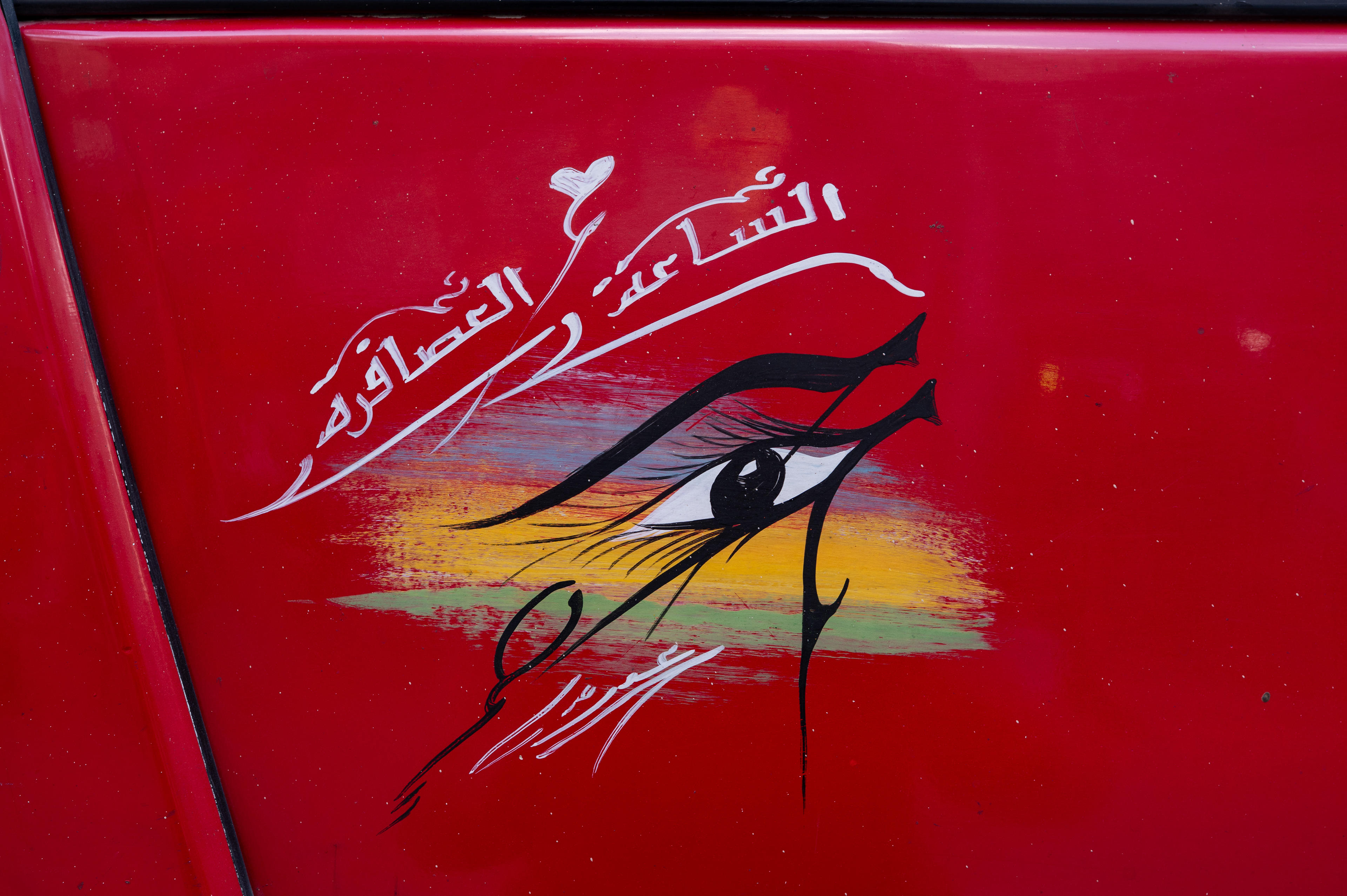
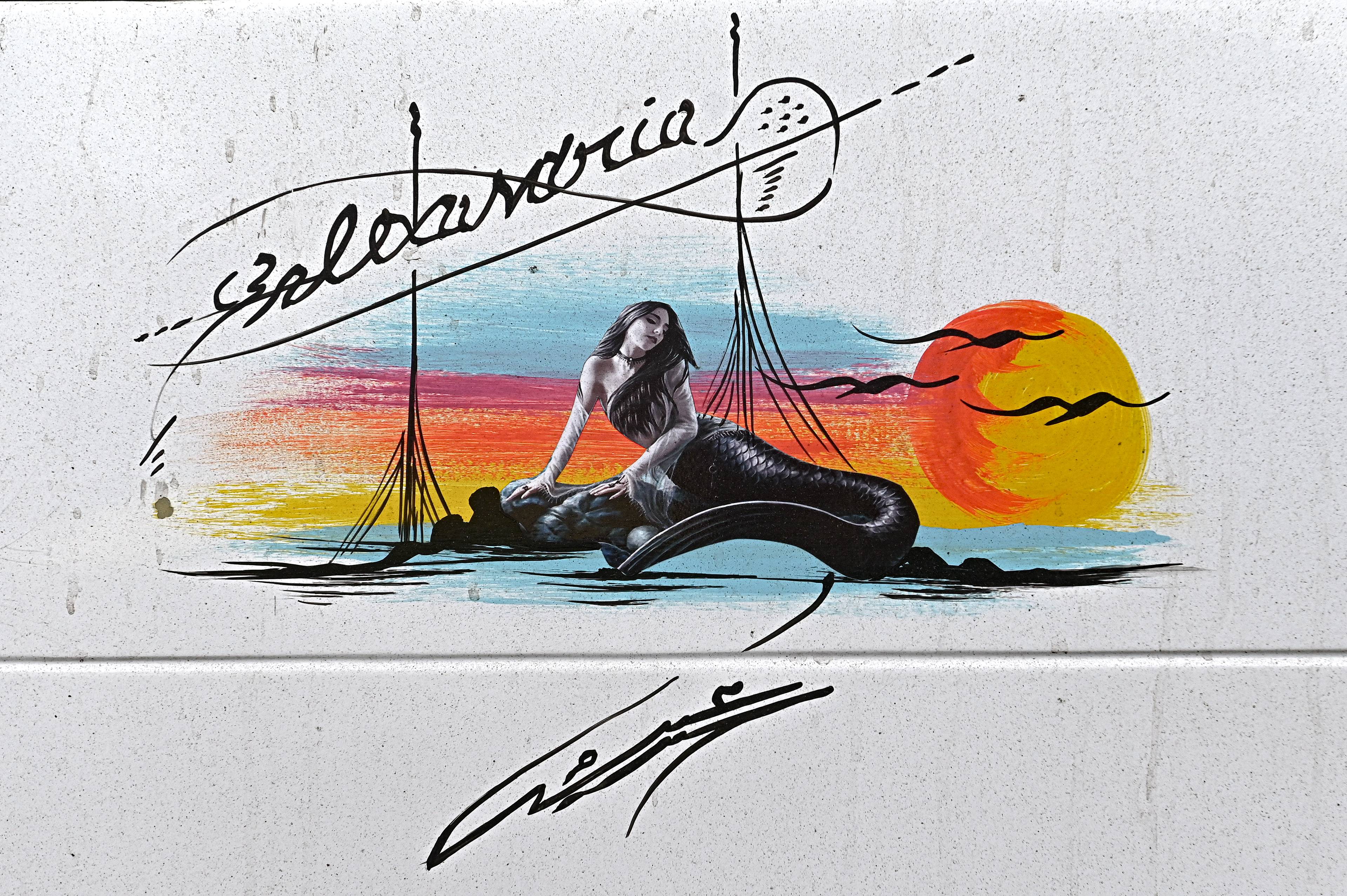
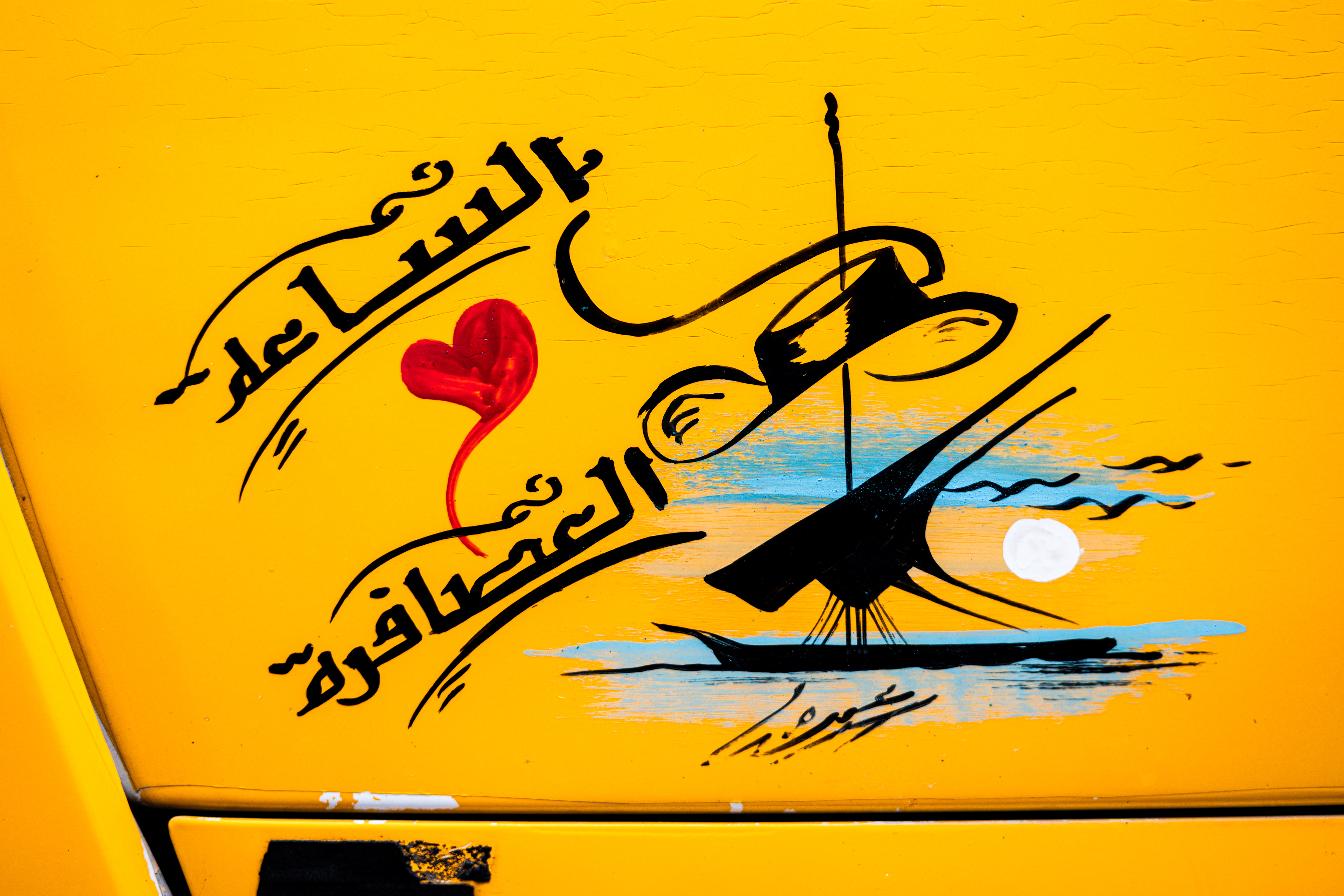
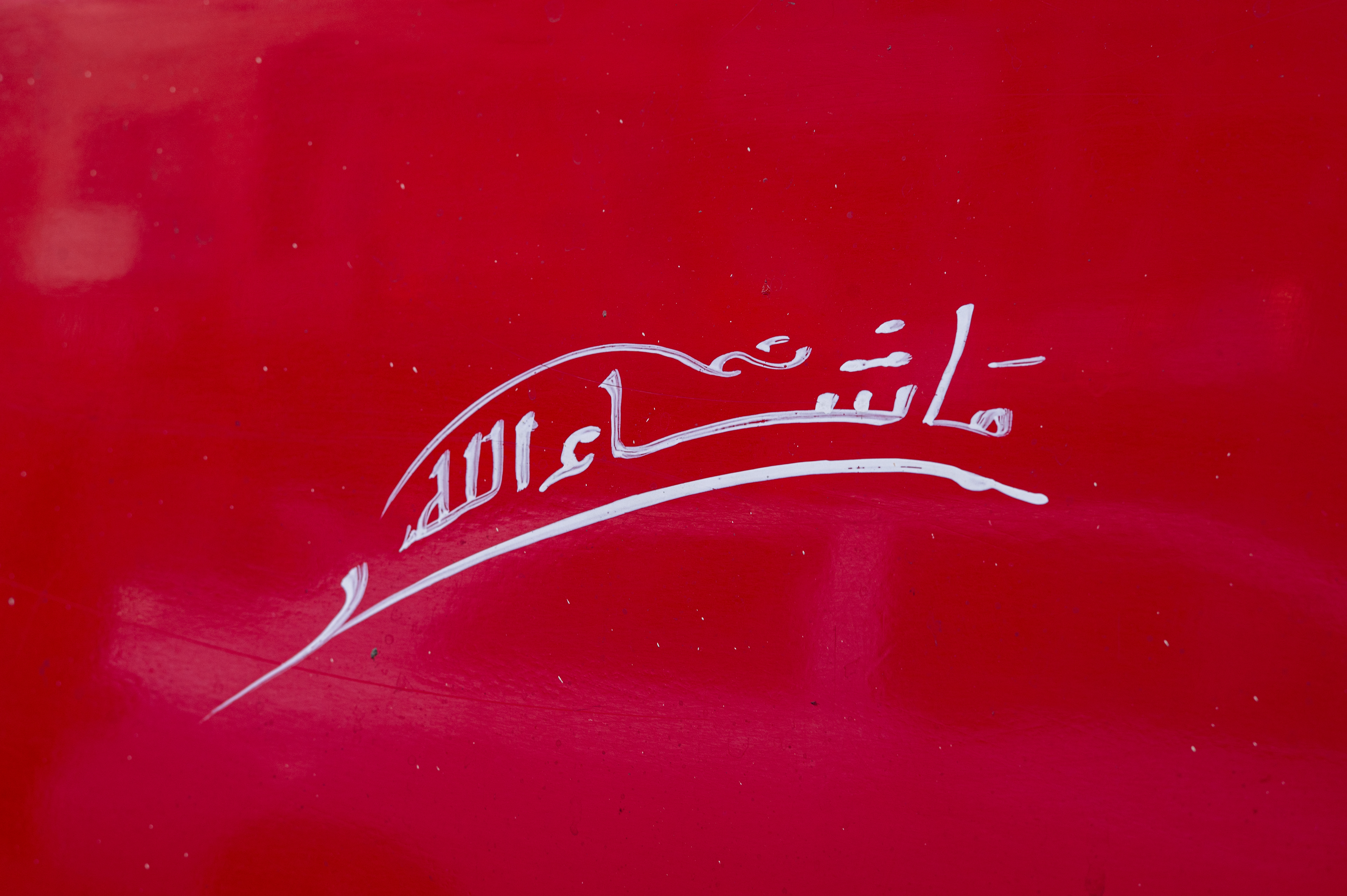
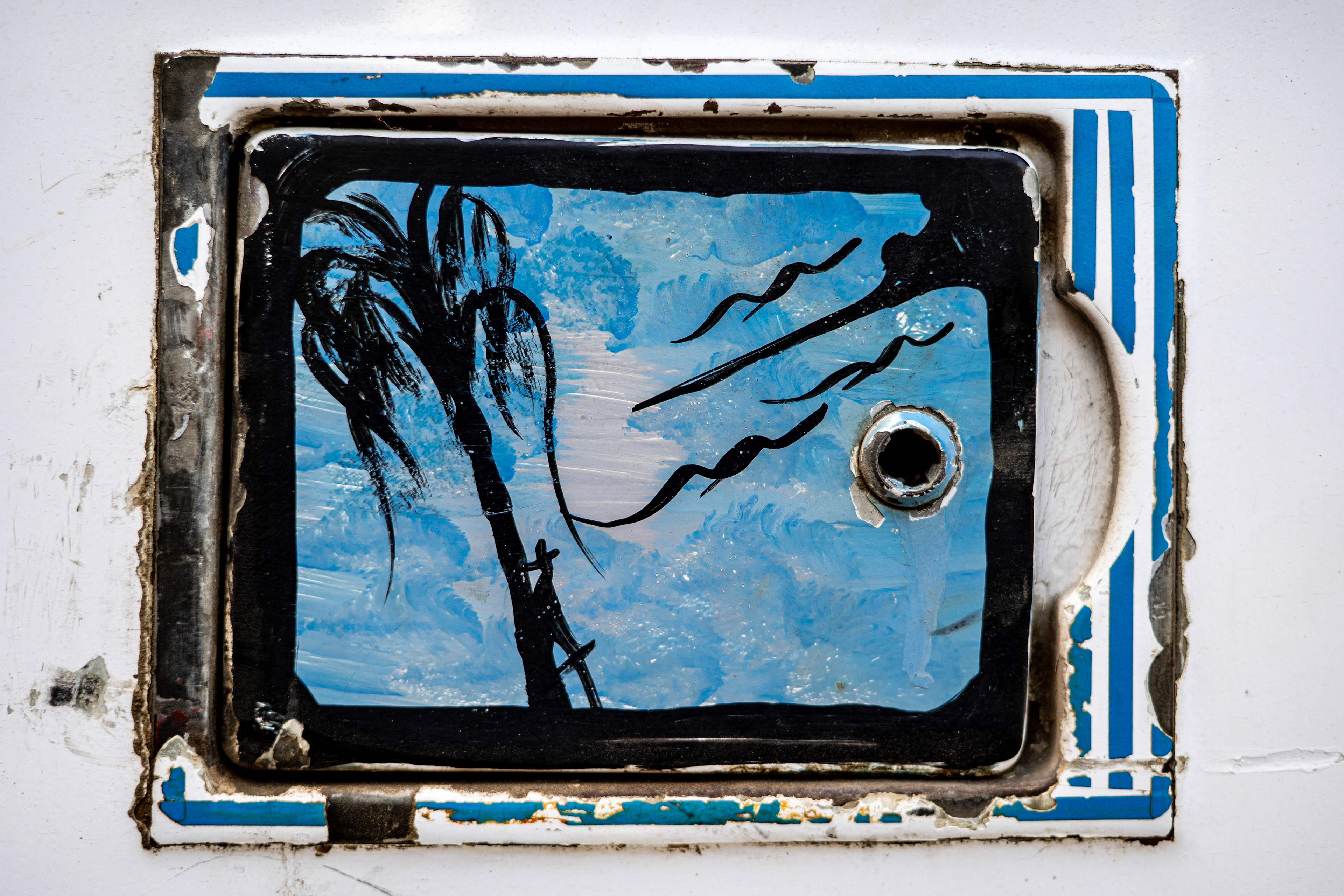
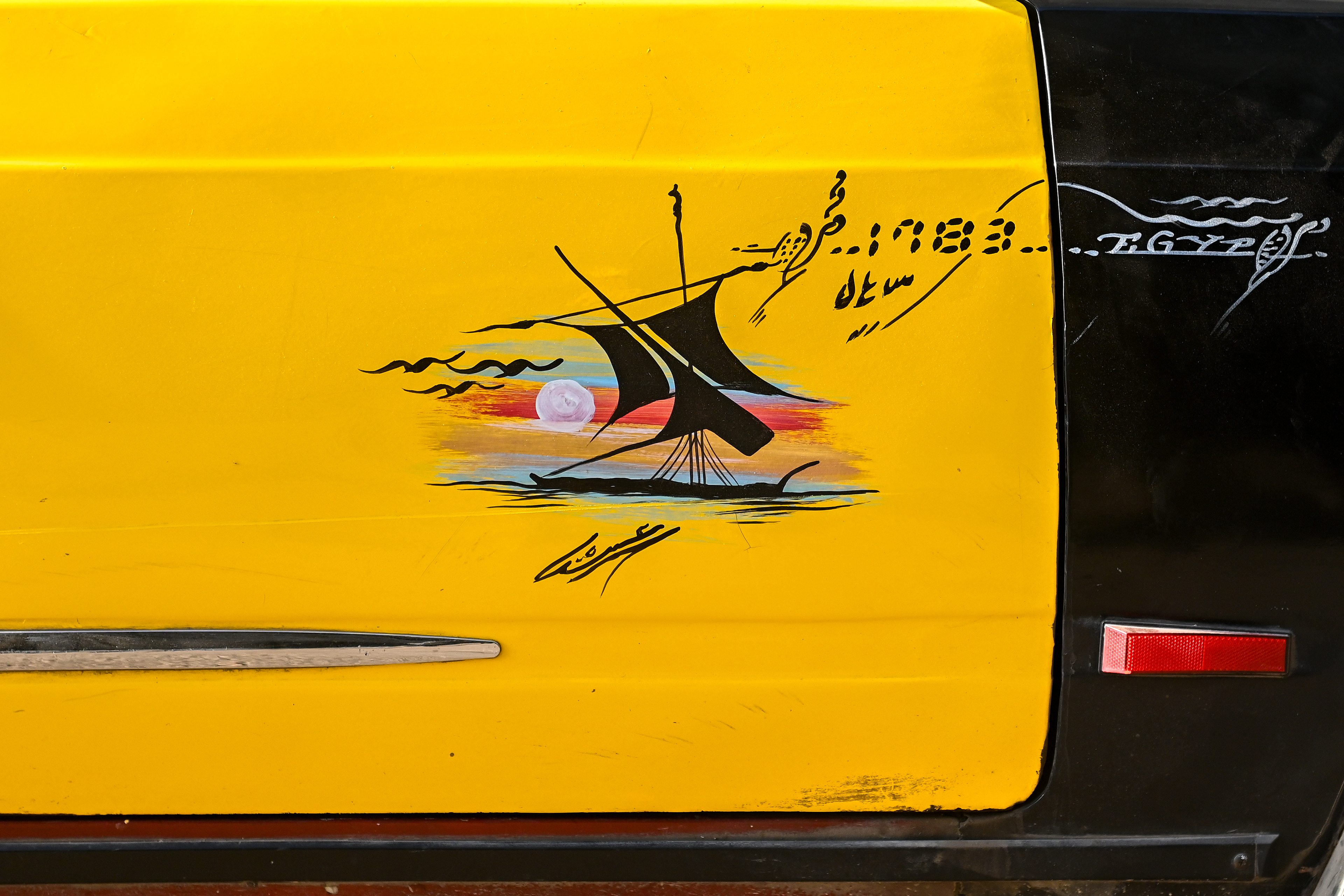
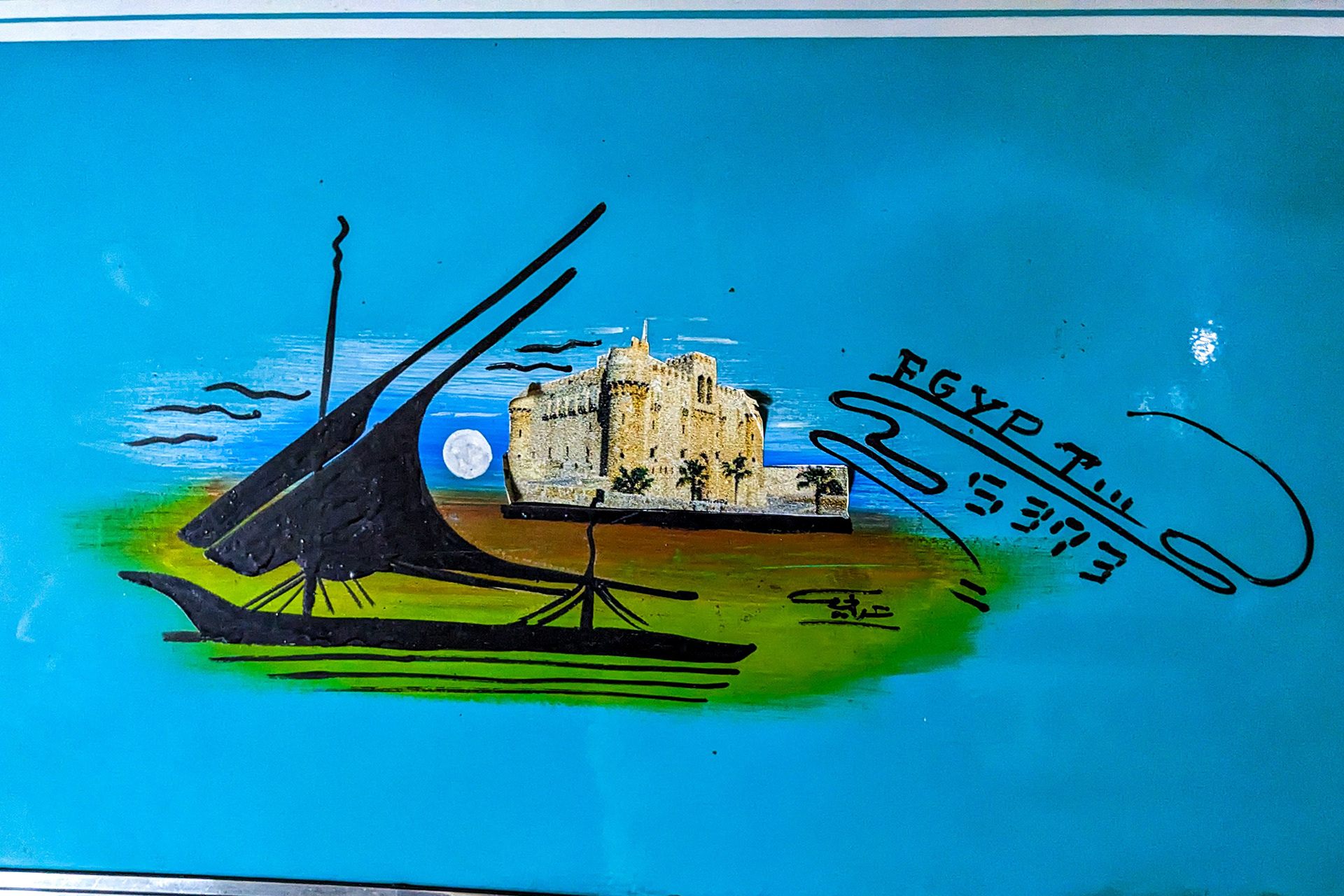
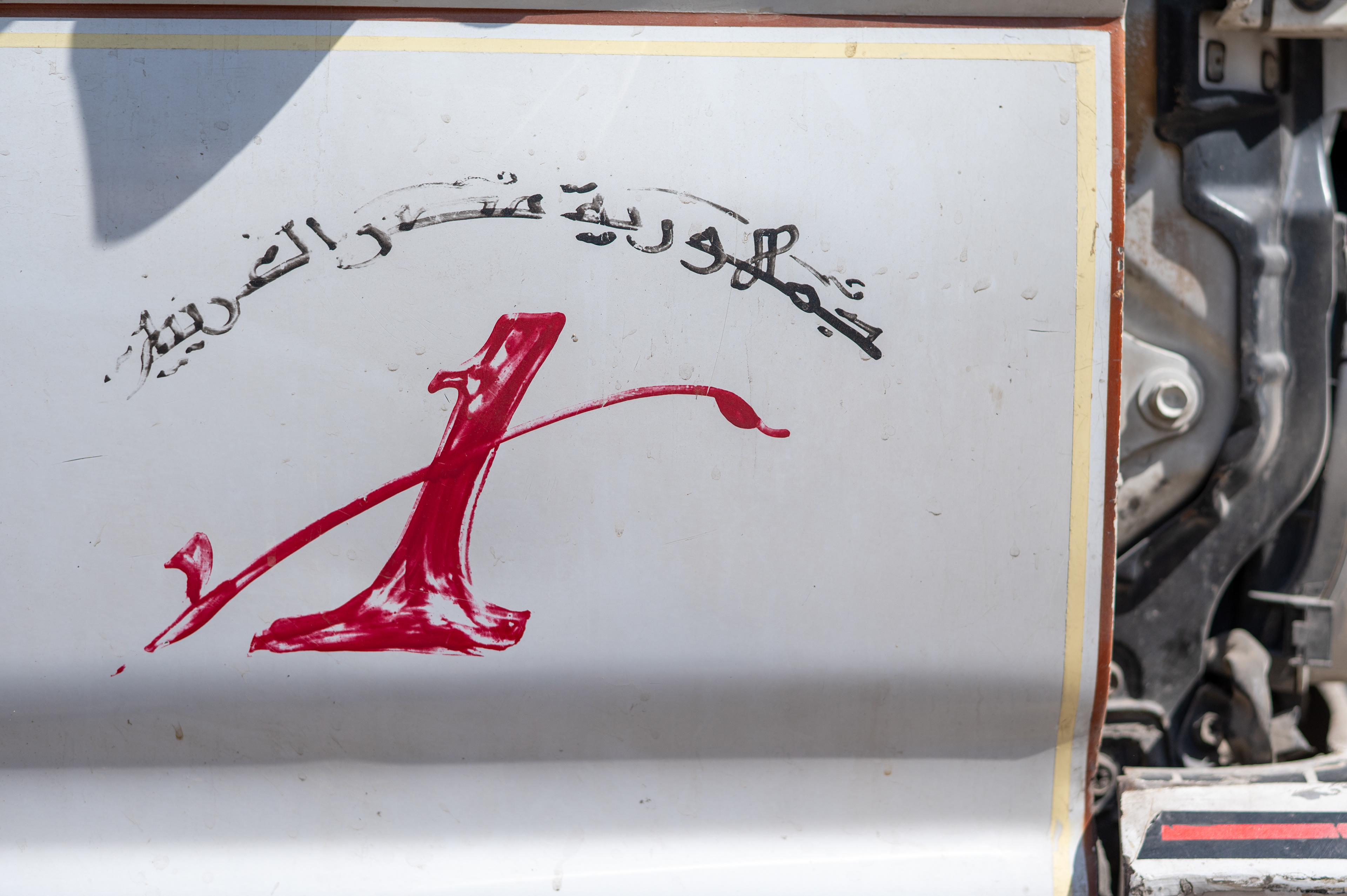
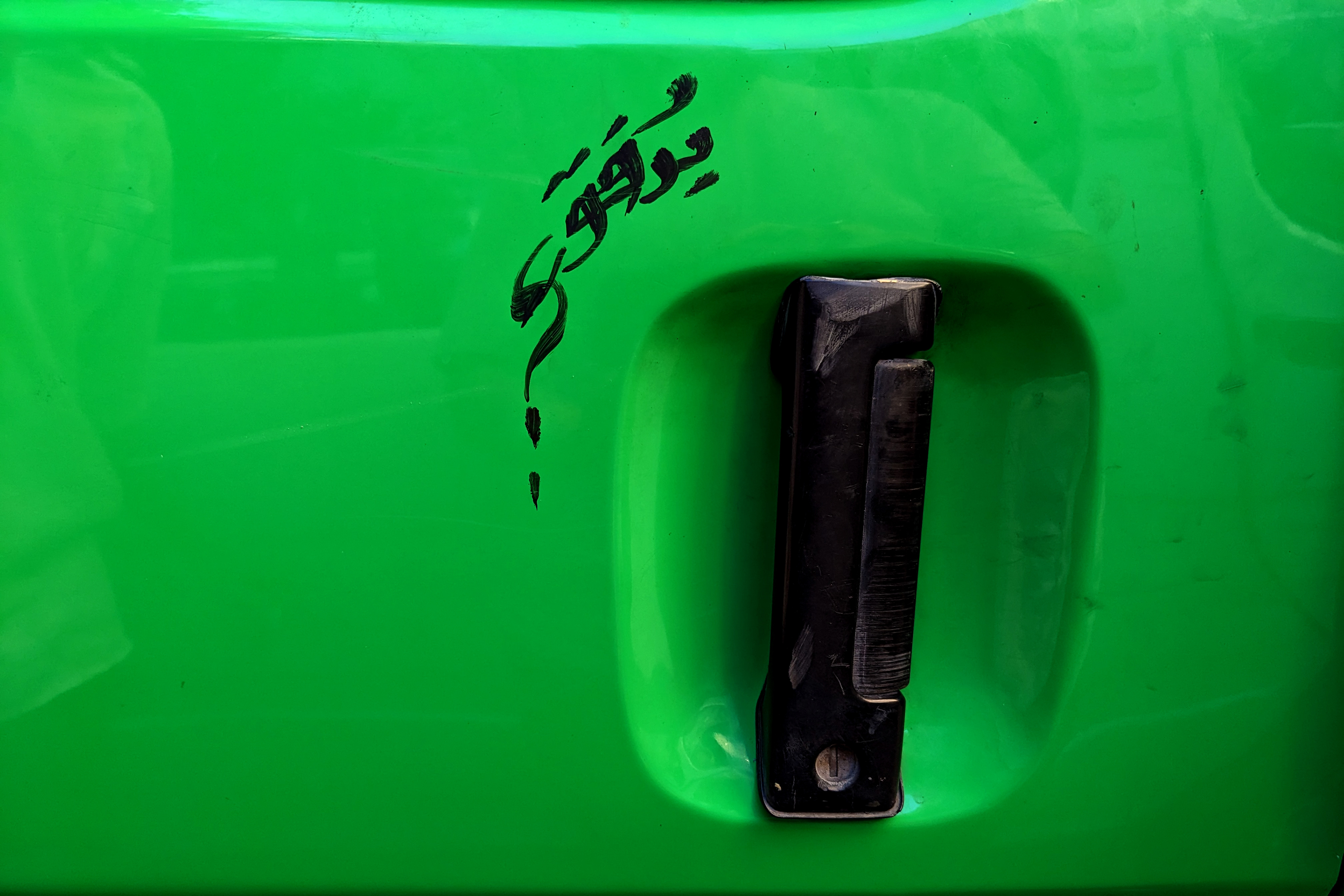
Alexandria is not merely a city; it is a living museum where the works of a constantly roaming folk artist are on display. In this project, "Chasing the Phantom that Roams the City," I search for an embodied biography an artist whom no one sees, yet whose signature covers every street.
This photographic work documents a unique phenomenon of Living Folk Art: the colourful calligraphy and drawings adorning the dilapidated bodies of public transport vehicles. These drawings, in stark contrast between vibrant, fiery colours and cracked, decaying metal backgrounds, function as open visual narratives. They convey people's wishes, spiritual symbols, and the mythical mermaids that guard the city. It is a live visual language that originates from the street and returns to it, forming an authentic part of Alexandria's Intangible Cultural Heritage.
The chase began by seeking the source of this astonishing proliferation, which repeatedly led me back to one signature: Sayed Abdou. The journey of documentation and photography transformed into a deep socio-artistic investigation into this unknown artist, whose work fills every corner of the city while he himself remained a figure in the shadows.
After months of painstaking search across the streets and interviews with drivers, I did not find the artist; I found his legacy. I discovered that Sayed Abdou, the calligrapher who professionally pursued his craft and lived in the west of the city until his passing in 2021, left a great void. However, solace came from his son, Mohamed (Abu Faris), who nearly abandoned the profession due to grief.
The story turns to inheritance: Following a visit from his father in a dream, Mohamed decided to reopen the shop and continue the work, carrying his father's banner and signing with the exact same signature. In this unique way, "Sayed Abdou" continues to roam the city, not as a person, but as a renewed artistic biography.
Therefore, "Chasing the Phantom" is not merely a documentation of drawings. It is a celebration of a People's Artist who refuses to vanish, and a discussion on the timeless value of folk art that ensures the spirit and identity can endure through the son's hand and the father’s signature. It is a work about Art as an indelible heritage that defies oblivion.
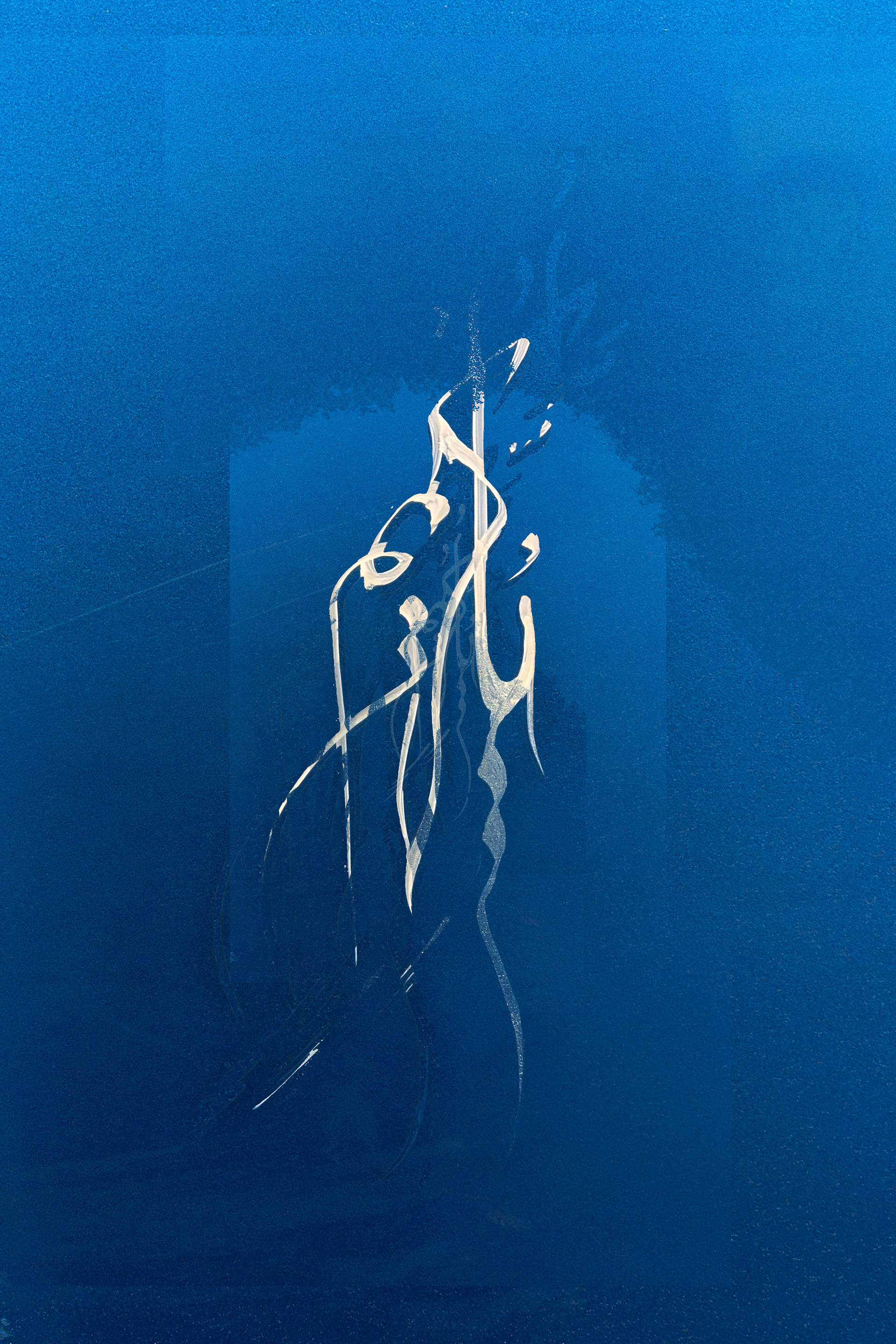
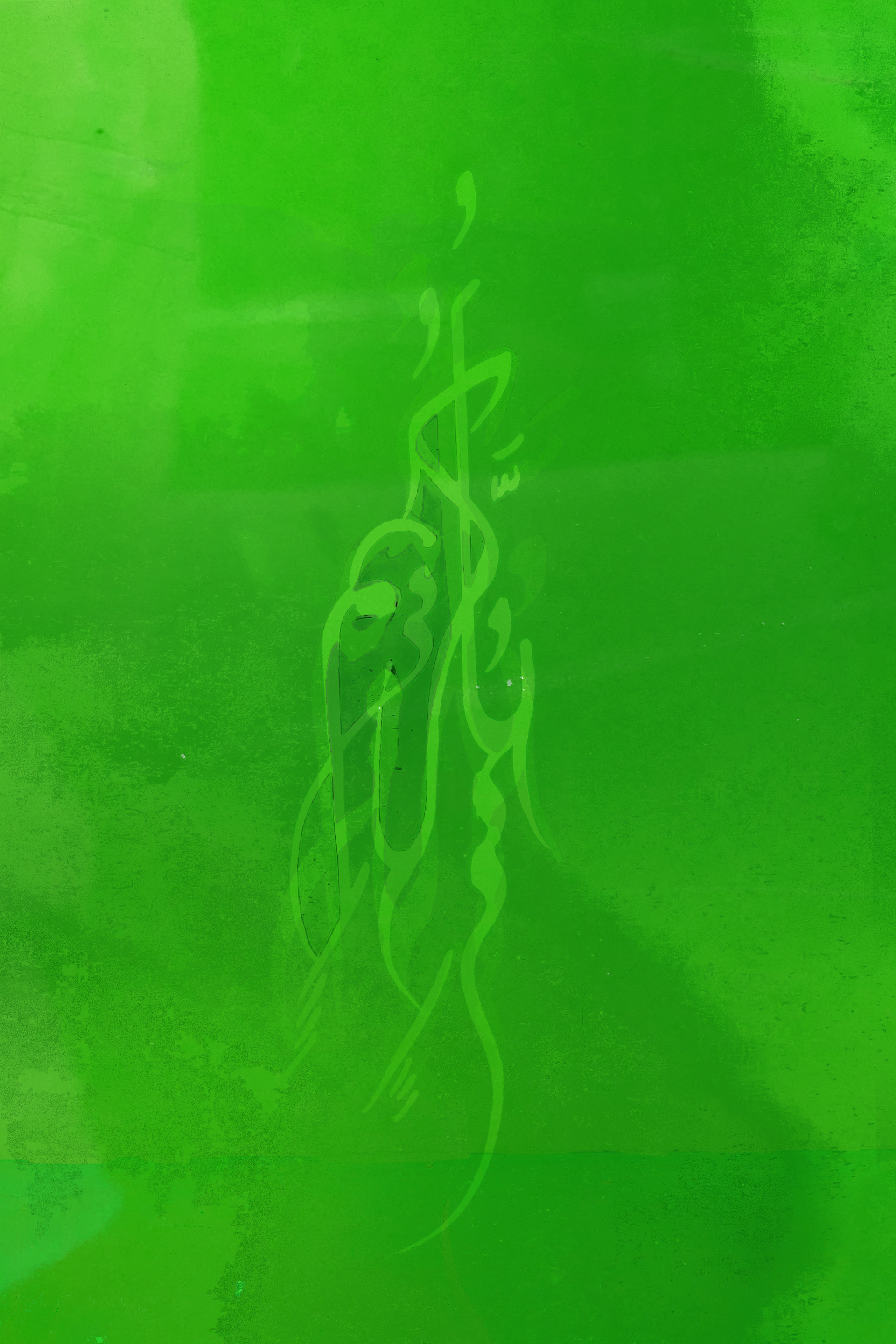
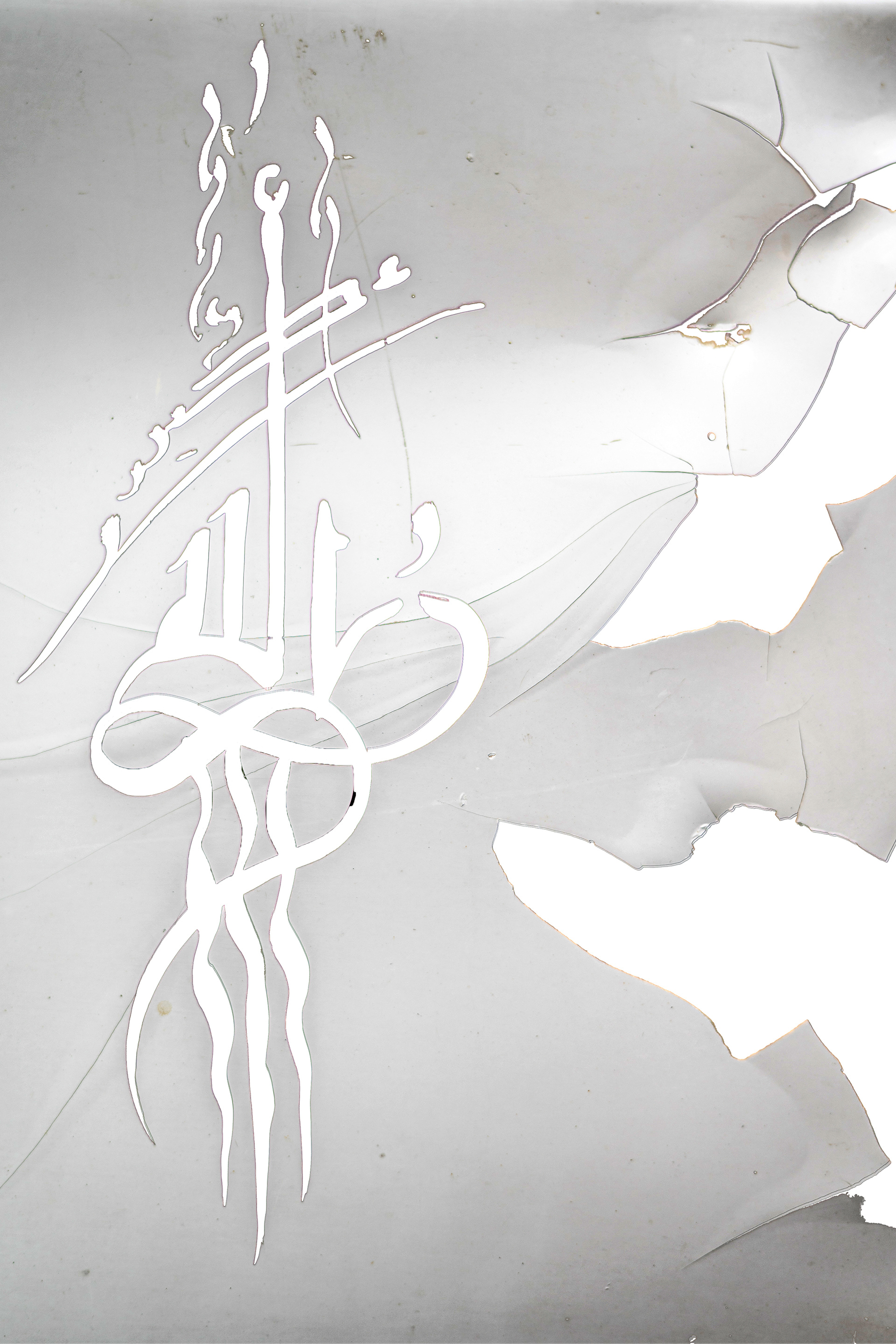
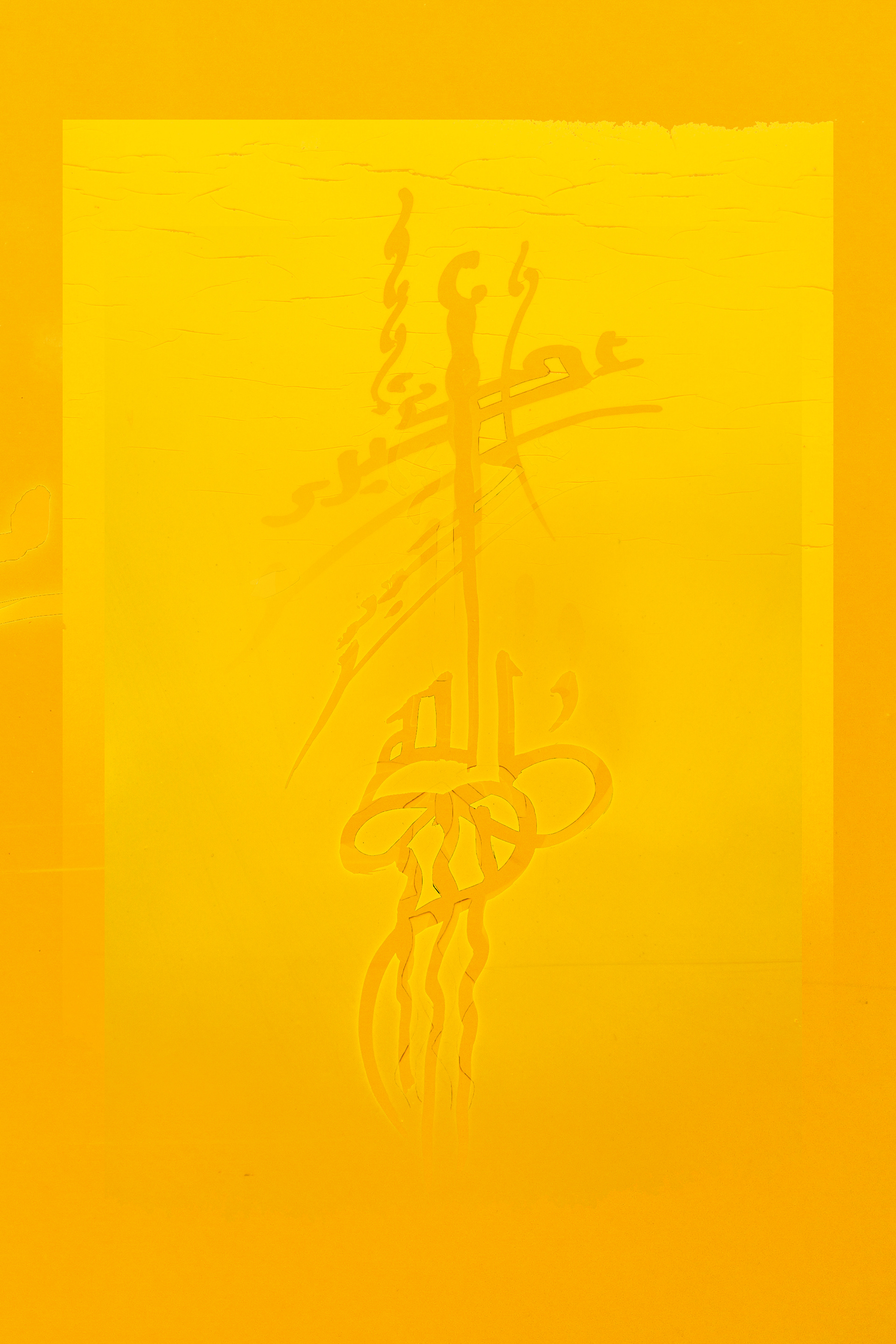
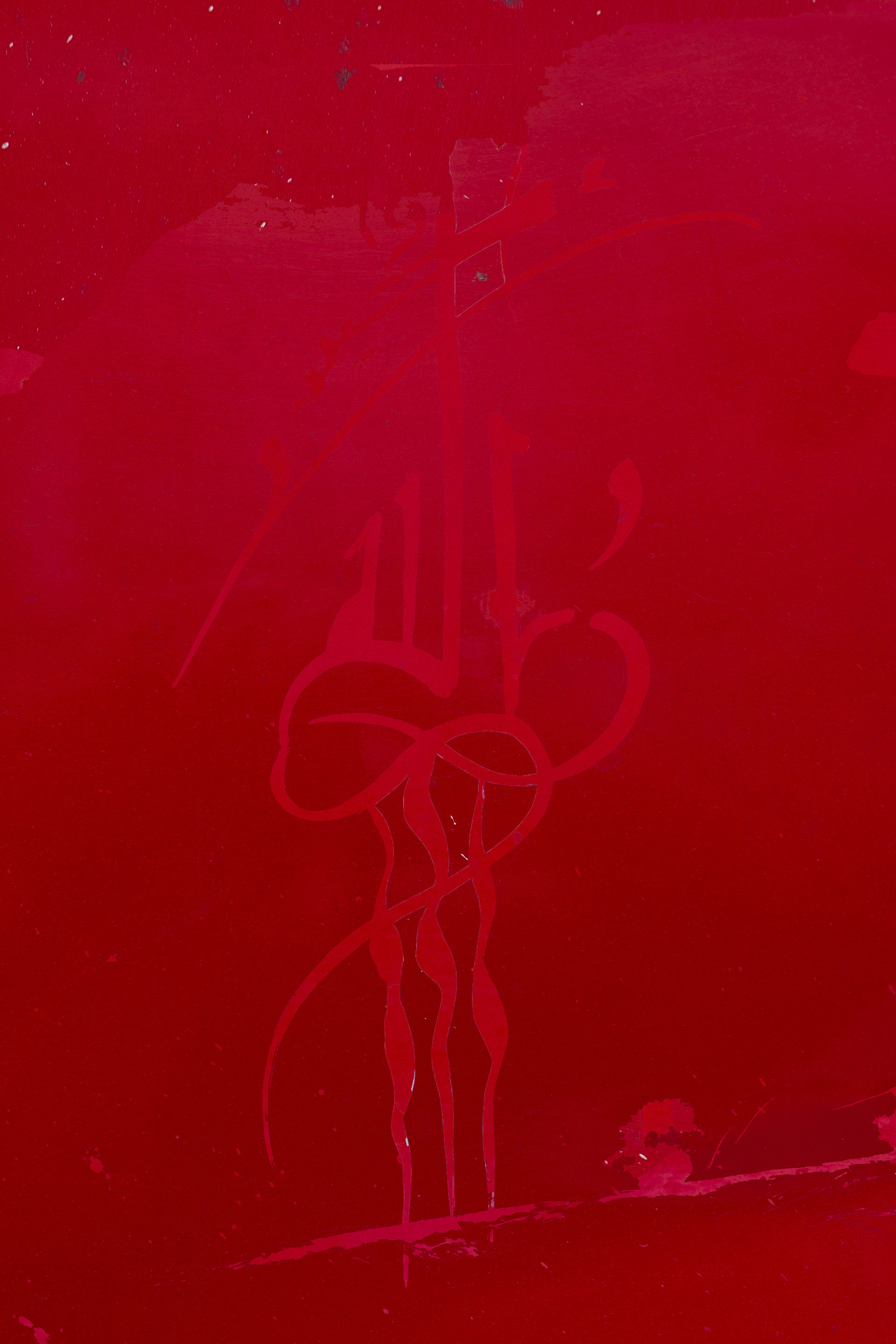
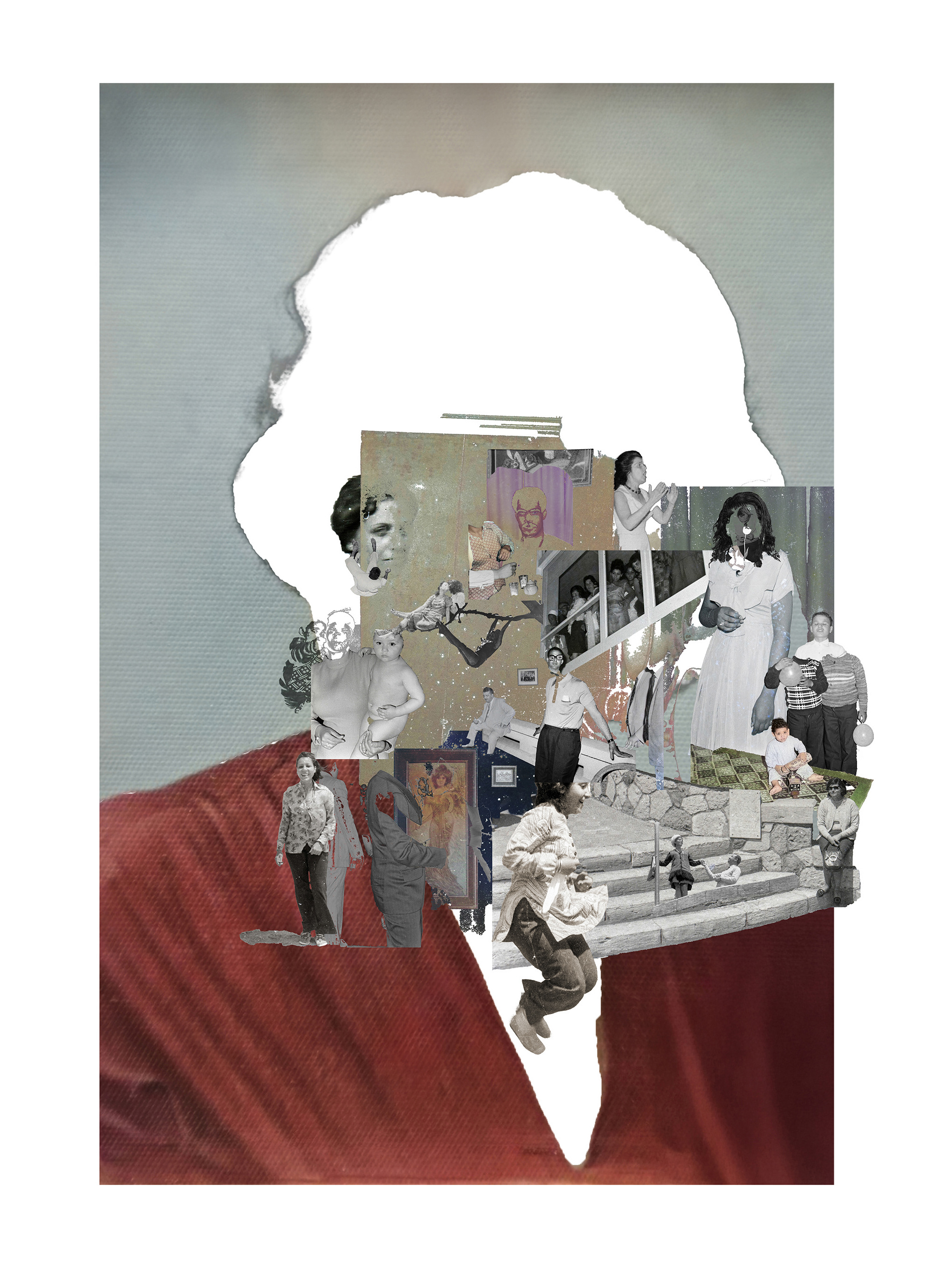
A series of digital collages that re-contextualize the calligraphic lines and drawings documented on the bodies of public transport vehicles. This is not mere assemblage, but an extraction and re-formation.